Voices: A Folk Opera
Posted by Steven Berson on
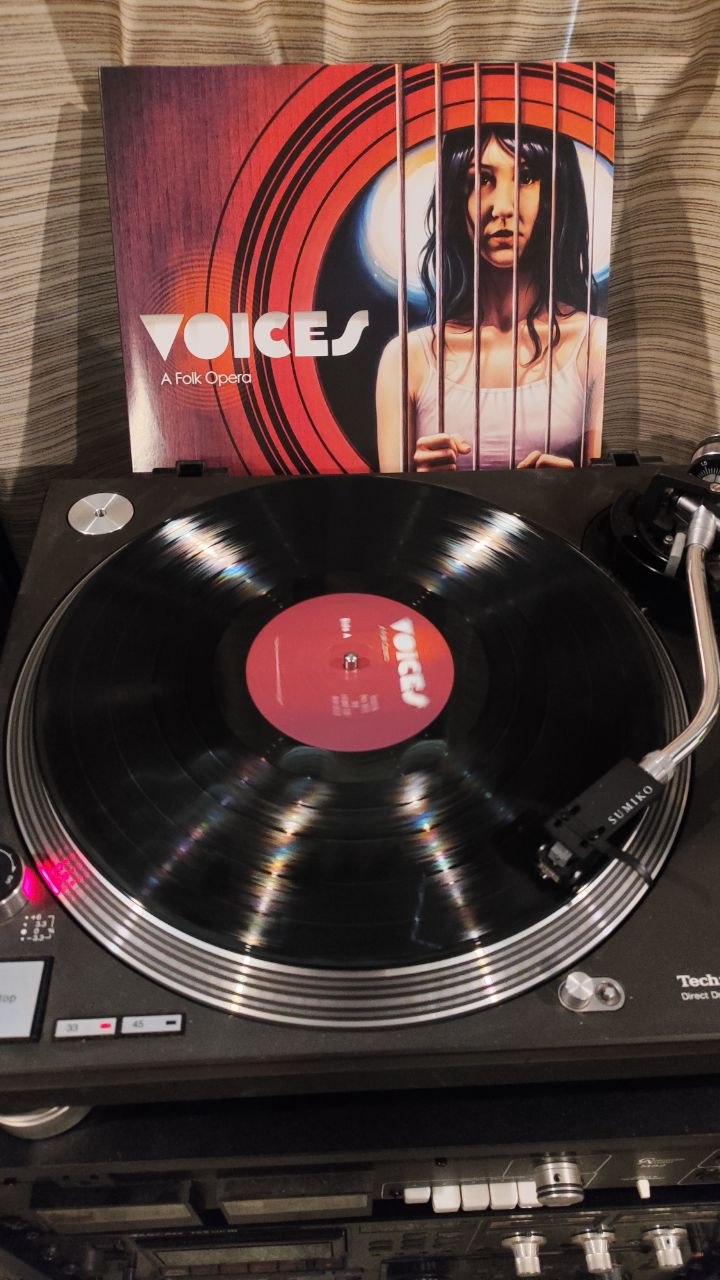
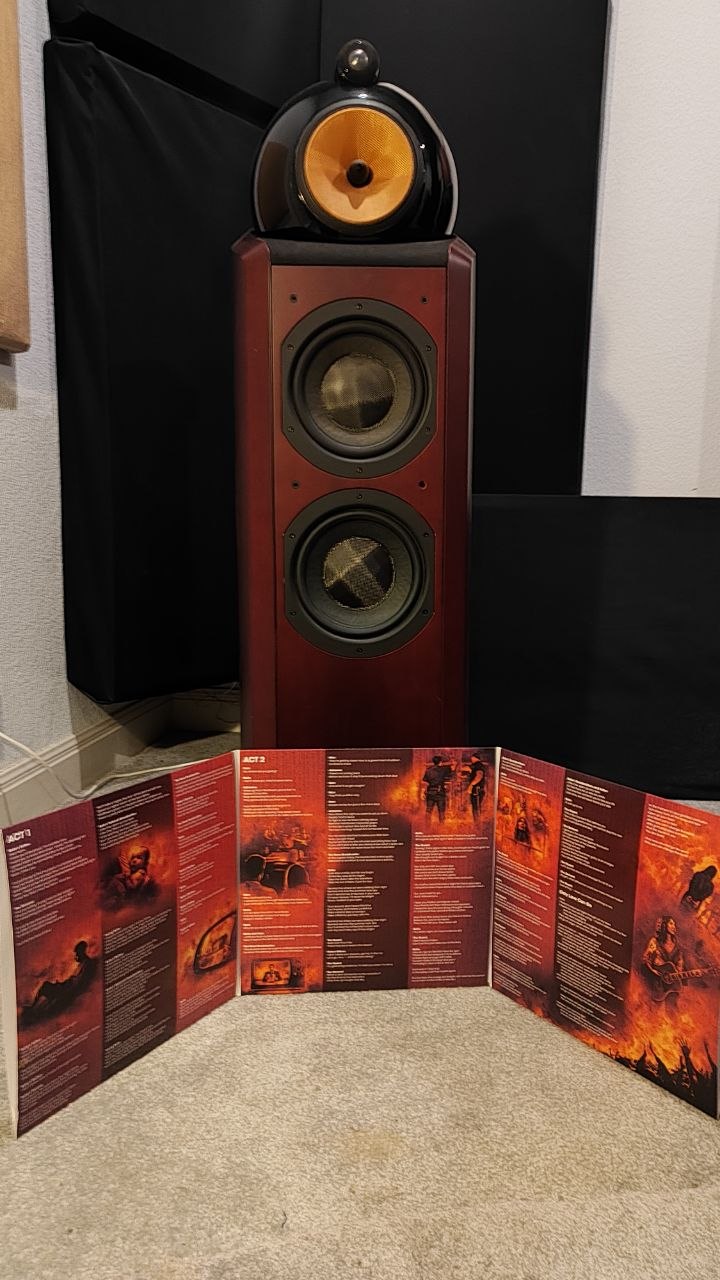
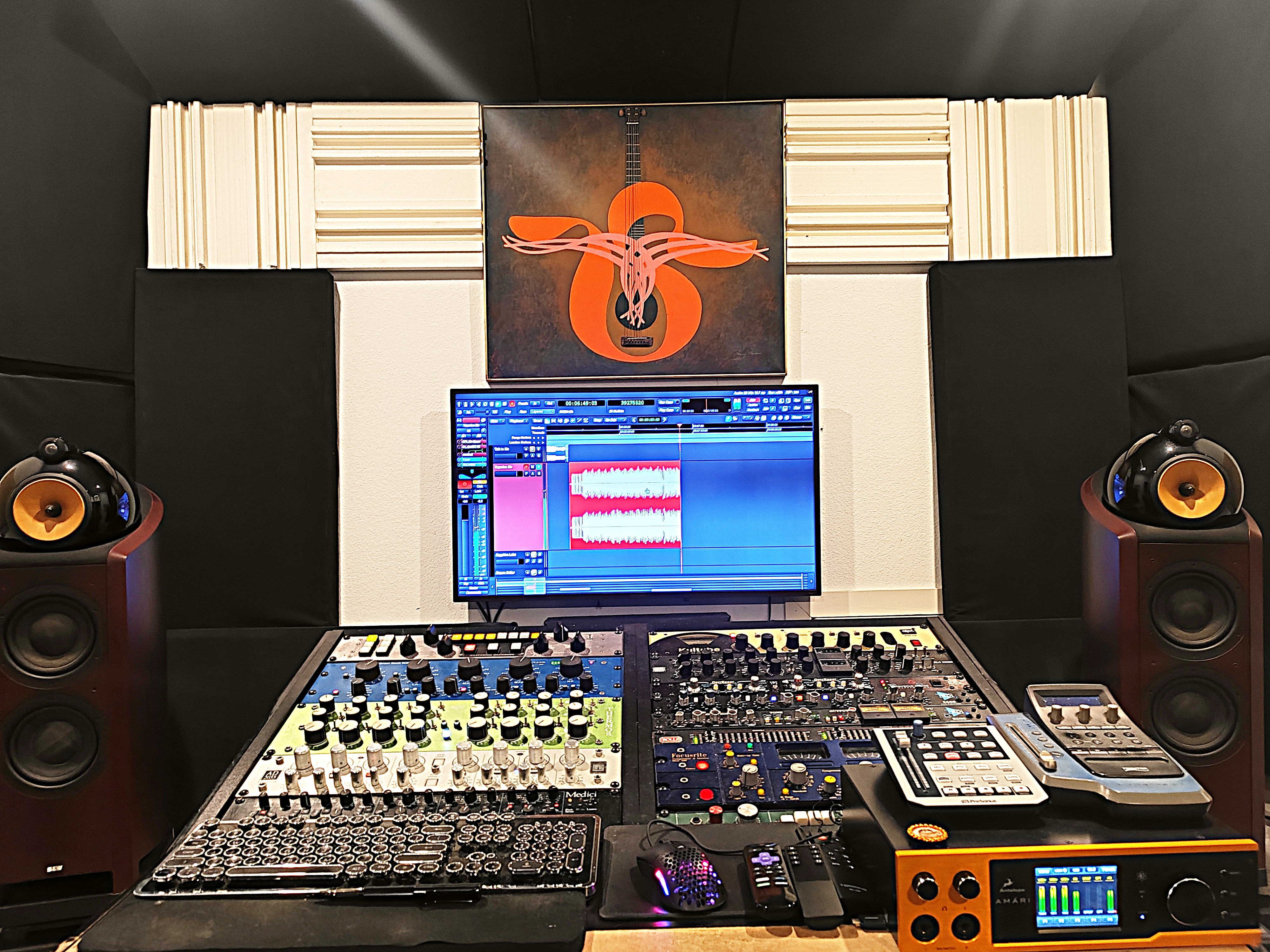
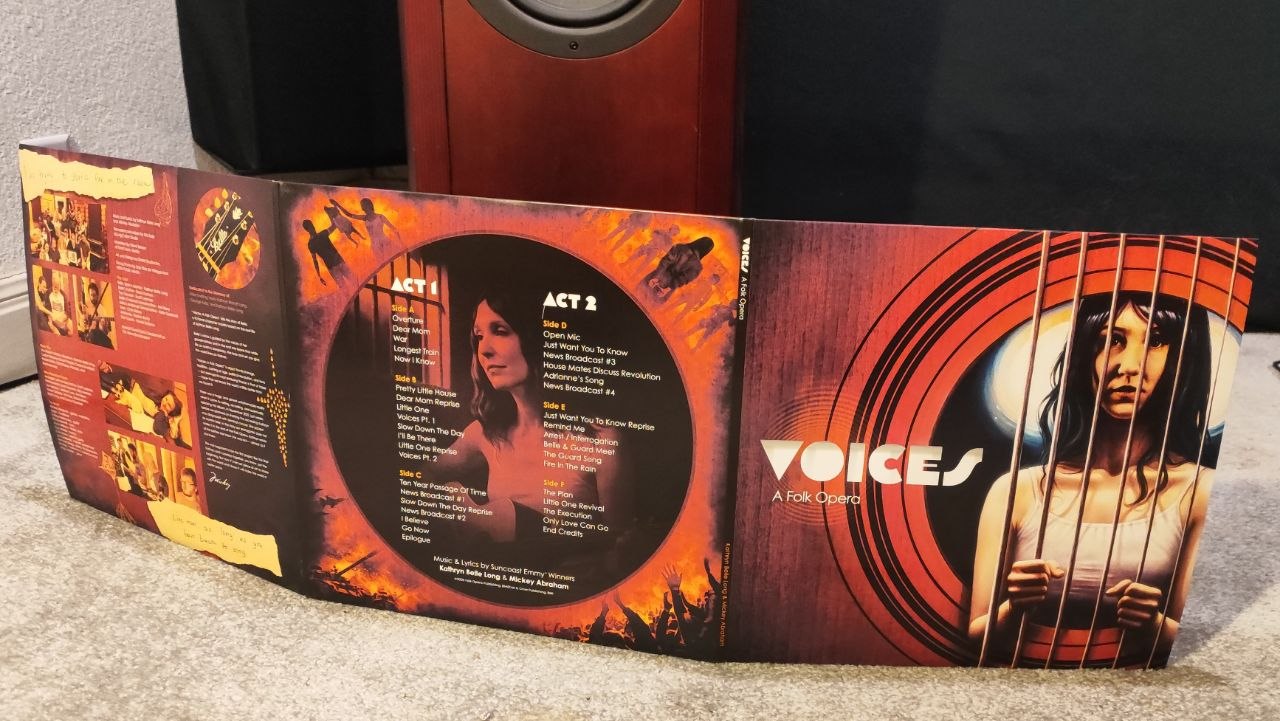
Incredibly honored and proud to have gotten to master this beautiful release from Kathryn Belle Long and Mickey Abraham - "Voices: A Folk Opera." In a digitized short attention span era when so many artists just put out a single or EP, this release bucks that trend by being a 3-LP set - yet is incredibly compelling across its entire length. This is from the heart americana played by real deal super accomplished musicians, recorded & mixed by the capable hands of Log Cabin Studio's Kris Kolp, with a truly excellent pressing onto 180gram vinyl from Audiodrome (the one fully solar powered record pressing plant in the USA) in Gainesville Florida. It is also packaged incredibly beautifully in a double gatefold jacket too.
This music is sadly also the last work of Kathryn Belle Long, who succumbed to cancer shortly after the recording was completed. I had the honor of mastering two previous albums for groups Kathryn led (Belle & the Band's "Till We Know Better" from 2017, and The Adventures of Annabelle Lyn's "Maiden Voyage" from 2016) and her enormous talents as a vocalist and songwriter were immediately apparent then. She also was an incredibly sweet and generous person in all my dealings with her. And for "Voices" I think she extended her range even farther, co-writing with the also enormously talented Mickey Abraham a novella in folk music form, that poignantly touches on the spiritual connection we have with our ancestors, the horrors of civil wars and totalitarian governments, and the gem of hope that we can transcend these conflicts by reconnecting with our humanity.
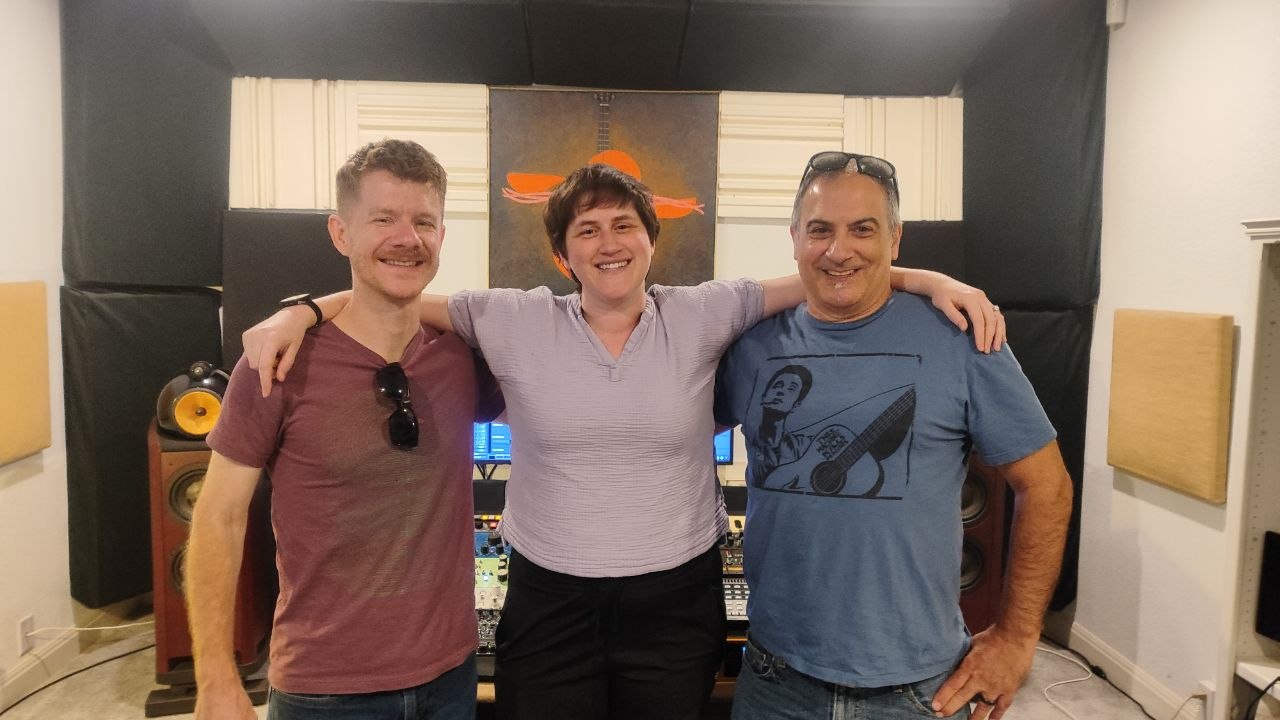
Rest In Peace Kathryn, and thank you for leaving us with this music. And big thanks to Mickey Abraham & Kris Kolp for involving me in this project, which took a lot of work and a number of years to finally become a reality - y'all did beautiful work in honoring Kathryn's legacy.
You can hear and purchase this music at https://folkopera.bandcamp.com/album/voices-a-folk-opera
and read a great article on the making of it at here
This music is sadly also the last work of Kathryn Belle Long, who succumbed to cancer shortly after the recording was completed. I had the honor of mastering two previous albums for groups Kathryn led (Belle & the Band's "Till We Know Better" from 2017, and The Adventures of Annabelle Lyn's "Maiden Voyage" from 2016) and her enormous talents as a vocalist and songwriter were immediately apparent then. She also was an incredibly sweet and generous person in all my dealings with her. And for "Voices" I think she extended her range even farther, co-writing with the also enormously talented Mickey Abraham a novella in folk music form, that poignantly touches on the spiritual connection we have with our ancestors, the horrors of civil wars and totalitarian governments, and the gem of hope that we can transcend these conflicts by reconnecting with our humanity.
Rest In Peace Kathryn, and thank you for leaving us with this music. And big thanks to Mickey Abraham & Kris Kolp for involving me in this project, which took a lot of work and a number of years to finally become a reality - y'all did beautiful work in honoring Kathryn's legacy.
You can hear and purchase this music at https://folkopera.bandcamp.com/album/voices-a-folk-opera
and read a great article on the making of it at here